Literature 7-8
Finish The Slave Dancer. Write a paragraph of no fewer than 150 words in which you a) summarize the story and b) discuss how this is a good book for young people to read--both Christians and other readers. Due Monday, June 1.
There are a number of students who are behind in their work. If that is you, get your work in.
American Literature
For those who are up to date with their work, there are no further assignments. For those of you who are behind, get your work in.
British Literature
See the post from yesterday.
For those of you who are behind, get your work in.
C.S. Lewis
You will receive an email update later today.
For those of you who are behind, get your work in.
Luke and Acts
For those who are up to date with their work, there are no further assignments. For those of you who are behind, get your work in.
Poets and Prophets
See the post from yesterday.
For those of you who are behind, get your work in.
French classes: see earlier posts.
For those of you who are behind, get your work in.
Friday, May 29, 2020

Thursday, May 28, 2020
Troll Island Notes 48: Thursday, May 28, 2020
Literature 7-8
Read "The Old Man" and respond in complete sentences. Due Friday, May 29. Do not send it before that.
1. Describe the new location Jessie is living in. 50 words.
2. Daniel treats Jessie differently from Ras. Give an example.
3. Why do you think he treats them differently? Explain briefly.
4. How do Jessie and Ras manage to communicate during their time at Daniel's?
American Literature
Refer to "i thank You God" on the previous post and respond in complete sentences. Due Friday, May 29. Do not send it before that.
A. Cummings uses many poetical devices in this poem, many of which are already familiar to us.
1. Give an example of internal rhyme.
2. What device is being used in line 2?
3. What device is being used in line 7?
4. What does the term "allusion" mean?
5. There are several biblical allusions in this poem. a) How does it allude to the creation story in Genesis? b) Read Psalm 96. What's the connection? c) Read Isaiah 35. What's the connection? d) Quote a line from the poem that alludes to resurrection.
6. What does the term "paradox" mean?
7. Explain how the third section uses a paradox.
B. More than most writers, Cummings uses poetic license.
1. What does this term mean?
2. One example of this is inverted syntax. What does that mean?
3. Give an example of inverted syntax in the poem.
4. He also uses capitals in a non-standard way. Why would he capitalize "God" but not capitalize the first person singular pronoun?
5. What are 2 unusual features of his use of punctuation?
British Literature
AP students only: What value may Lord of the Flies have for Christian readers? 150 words. Due Friday, May 29. Do not send it before that.
For all students: Read p. 761 on Gerard Manley Hopkins. Read "Pied Beauty" on p. 762 and "God's Grandeur" on p. 764. Respond to the poems in one paragraph of no fewer than 150 words. Due Monday, June 1. Do not send it before then.
C.S. Lewis
TBA
Luke and Acts
Read Acts 28 and respond in complete sentences. Due Friday, May 29. Do not send in before that.
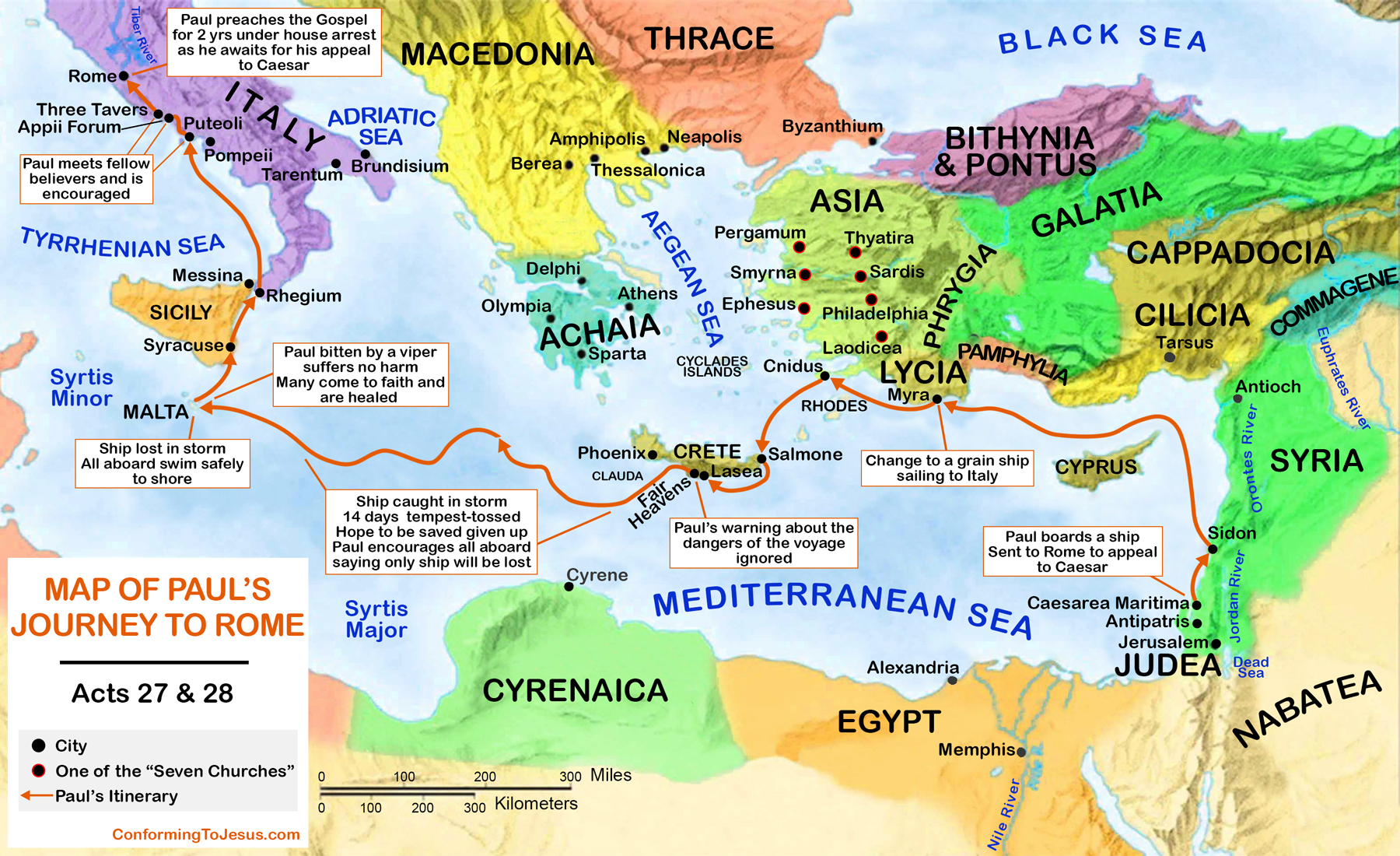
1. Use the link here to follow Paul's journey to Rome. According to this map, where is Malta?
2. How did the Maltese people show hospitality to Paul and the other survivors?
3. Retell the snake story. 25 words.
4. How is this story similar to what happened at Lystra (Acts 14)?
5. Publius, the chief official of the island, was also hospitable. How did Paul help him?
6. Who are the "brothers" who greet Paul at Puteoli and at Rome?
7. Paul is under house arrest, meaning that he is not in jail but under constant guard in a rented house. he is able to receive visitors regularly. He meets first with Jewish visitors. What does he tell them about himself?
8. What does Paul do all day while he is under house arrest?
9. How long did he remain there?
10. Paul was restricted in his movements. According to the last verse, what was not hindered?
Poets and Prophets
Read Isaiah 66 and respond in complete sentences. Due Monday, June 1. Do not send in before that.
A. vv.1-2
1. What is the Lord's true house?
2. To whom does he reveal himself?
B. vv. 3-4
1. Cite a vivid image of a worthless ceremony.
2. Why does the Lord consider these offensive?
3. Where have we heard this sort of thing before?
C. vv. 5-6
1. Briefly explain the hypocritical behavior the Lord condemns here.
2. What noise is coming from the temple?
3. How does this relate to Is. 6?
D. The next section (vv. 7-13) contains a remarkable series of maternal images.
1. The first maternal image is childbearing. a) Who is the mother, and who are the children? b) What do you think this is referring to? Briefly explain.
2. The next maternal image is nursing. a) Who is the nursing mother, and who are the children? b) What do you think this is referring to?
3. The next maternal image is comforting. Perhaps to our surprise, the Lord describes himself as the mother here. The Bible never addresses God as mother (as some Christians do), and I don't think we should, either. However, the Bible does at times attribute maternal characteristics to God, as Isaiah does here. a) What maternal image of himself does Jesus use in Matt. 23:37? Sometimes Jesus' followers, though not female themselves, may use maternal language as well. b) What does Paul say about himself and the Thessalonians in I Thess. 2:7?
E. vv. 15-17
1. What image of final judgment does Isaiah use here?
2. What historical event in the Bible does this remind you of?
F. vv. 18-21 depict the gathering in of the nations
1. Where have we seen this in Isaiah before?
2. What psalm focuses on this?
G. vv. 22-24
1. There is a promise of a new heavens and a new earth. a) What does II Peter 3:10-13 say about how this will happen? b) What does the same passage say about how this should impact us now? c) Briefly, how does Rev. 21 depict the new heavens and earth?
2. Isaiah ends on a note of judgment. What is it?
Introduction to French
Write a few sentences in French telling me about your plans for the summer. You can use the present tense. Due Friday, May 29. Do not send in before that.
Intermediate French
See earlier post.
Read "The Old Man" and respond in complete sentences. Due Friday, May 29. Do not send it before that.
1. Describe the new location Jessie is living in. 50 words.
2. Daniel treats Jessie differently from Ras. Give an example.
3. Why do you think he treats them differently? Explain briefly.
4. How do Jessie and Ras manage to communicate during their time at Daniel's?
American Literature
Refer to "i thank You God" on the previous post and respond in complete sentences. Due Friday, May 29. Do not send it before that.
A. Cummings uses many poetical devices in this poem, many of which are already familiar to us.
1. Give an example of internal rhyme.
2. What device is being used in line 2?
3. What device is being used in line 7?
4. What does the term "allusion" mean?
5. There are several biblical allusions in this poem. a) How does it allude to the creation story in Genesis? b) Read Psalm 96. What's the connection? c) Read Isaiah 35. What's the connection? d) Quote a line from the poem that alludes to resurrection.
6. What does the term "paradox" mean?
7. Explain how the third section uses a paradox.
B. More than most writers, Cummings uses poetic license.
1. What does this term mean?
2. One example of this is inverted syntax. What does that mean?
3. Give an example of inverted syntax in the poem.
4. He also uses capitals in a non-standard way. Why would he capitalize "God" but not capitalize the first person singular pronoun?
5. What are 2 unusual features of his use of punctuation?
British Literature
AP students only: What value may Lord of the Flies have for Christian readers? 150 words. Due Friday, May 29. Do not send it before that.
For all students: Read p. 761 on Gerard Manley Hopkins. Read "Pied Beauty" on p. 762 and "God's Grandeur" on p. 764. Respond to the poems in one paragraph of no fewer than 150 words. Due Monday, June 1. Do not send it before then.
C.S. Lewis
TBA
Luke and Acts
Read Acts 28 and respond in complete sentences. Due Friday, May 29. Do not send in before that.
1. Use the link here to follow Paul's journey to Rome. According to this map, where is Malta?
2. How did the Maltese people show hospitality to Paul and the other survivors?
3. Retell the snake story. 25 words.
4. How is this story similar to what happened at Lystra (Acts 14)?
5. Publius, the chief official of the island, was also hospitable. How did Paul help him?
6. Who are the "brothers" who greet Paul at Puteoli and at Rome?
7. Paul is under house arrest, meaning that he is not in jail but under constant guard in a rented house. he is able to receive visitors regularly. He meets first with Jewish visitors. What does he tell them about himself?
8. What does Paul do all day while he is under house arrest?
9. How long did he remain there?
10. Paul was restricted in his movements. According to the last verse, what was not hindered?
Poets and Prophets
Read Isaiah 66 and respond in complete sentences. Due Monday, June 1. Do not send in before that.
A. vv.1-2
1. What is the Lord's true house?
2. To whom does he reveal himself?
B. vv. 3-4
1. Cite a vivid image of a worthless ceremony.
2. Why does the Lord consider these offensive?
3. Where have we heard this sort of thing before?
C. vv. 5-6
1. Briefly explain the hypocritical behavior the Lord condemns here.
2. What noise is coming from the temple?
3. How does this relate to Is. 6?
D. The next section (vv. 7-13) contains a remarkable series of maternal images.
1. The first maternal image is childbearing. a) Who is the mother, and who are the children? b) What do you think this is referring to? Briefly explain.
2. The next maternal image is nursing. a) Who is the nursing mother, and who are the children? b) What do you think this is referring to?
3. The next maternal image is comforting. Perhaps to our surprise, the Lord describes himself as the mother here. The Bible never addresses God as mother (as some Christians do), and I don't think we should, either. However, the Bible does at times attribute maternal characteristics to God, as Isaiah does here. a) What maternal image of himself does Jesus use in Matt. 23:37? Sometimes Jesus' followers, though not female themselves, may use maternal language as well. b) What does Paul say about himself and the Thessalonians in I Thess. 2:7?
E. vv. 15-17
1. What image of final judgment does Isaiah use here?
2. What historical event in the Bible does this remind you of?
F. vv. 18-21 depict the gathering in of the nations
1. Where have we seen this in Isaiah before?
2. What psalm focuses on this?
G. vv. 22-24
1. There is a promise of a new heavens and a new earth. a) What does II Peter 3:10-13 say about how this will happen? b) What does the same passage say about how this should impact us now? c) Briefly, how does Rev. 21 depict the new heavens and earth?
2. Isaiah ends on a note of judgment. What is it?
Introduction to French
Write a few sentences in French telling me about your plans for the summer. You can use the present tense. Due Friday, May 29. Do not send in before that.
Intermediate French
See earlier post.
Wednesday, May 27, 2020
Troll Island Notes 47: Wednesday, May 27, 2020
Literature 7-8
Read "Ben Stout's Mistake" and respond in complete sentences. Due Thursday, May 28. Do not turn it in until then.
1. Explain what is going on with Jessie, the Captain, and the trunk. 50 words.
2. Write out a sparkle that relates to this scene.
3. Describe the final "dance" that took place before the storm hit. 50 words.
4. Write out a sparkle that relates to this scene.
5. What was Ben Stout's mistake?
6. The storm adds more chaos to an already chaotic scene. Write out a sparkle that gives a vivid sense of the storm.
7. Jessie and the African boy take shelter in the hold. Describe their experience. 50 words.
8. Describe the scene they witness when they emerge from the hold. 50 words.
9. Write out a sparkle that captures a sense of this final scene.
American Literature
Here is "i thank You God" exactly as Cummings published it. Read it aloud or listen to it again. Read the notes below also and respond thoughtfully. Due Thursday, May 28. Do not turn it in until then.
i thank You God for most this amazing
day:for the leaping greenly spirits of trees
and a blue true dream of sky;and for everything
which is natural which is infinite which is yes
(i who have died am alive again today,
and this is the sun's birthday;this is the birth
day of life and of love and wings:and of the gay
great happening illimitably earth)
how should tasting touching hearing seeing
breathing any--lifted from the no
of all nothing--human merely being
doubt unimaginable You?
(now the ears of my ears awake and
now the eyes of my eyes are opened)
It is easy to get distracted by the quirkiness of the punctuation and such, which we will consider later. For now, notice the strong emotional force of the poem and where this power comes from.
1. What would you say is the primary emotion of the poem? 2. What is the origin of this feeling?
Although Cummings was not an orthodox Christian, Christians can naturally appreciate much of what this poem says. Indeed, in this poem and many others he reminds us of his fellow Massachusetts poet, Emily Dickinson--especially in linguistic quirkiness and love for nature. Like Dickinson, Cummings doesn't just want to describe his own feelings, he wants us to share them.
Investigating the technical features of this poem will not ruin it, as some have claimed. We do not "murder to dissect." A close reading of the poem does not kill the poem, but may in many ways give it more life and deepen our appreciation for it and for the God-given artistry of the poet. 4. How is
Cummings like Dickinson? 5. Why is reading a poem closely a good thing?
Let's begin by looking at the overall structure of the poem. For all its modern feel, it is a traditional form--a sonnet. 6. Find this term in your glossary and write out the basic definition. 7. What is the rhyme pattern of this sonnet? Sonnets are traditionally love poems. 8. In what sense is this a love poem? 9. State in one brief sentence the main idea of each of the 4 sections of the poem.
10. The speaker is urging us to "read" the world differently from the way Wallace Stevens does. Briefly explain.
Tomorrow we will look at some of the poetical techniques Cummings uses in this poem.
British Literature
Be prepared for the Zoom session today at 2:00pm.
C.S. Lewis
Be prepared for the Zoom session today at 2:30 pm.
Luke and Acts
Read Acts 27:27-44 and respond in complete sentences.
Providentially, this story may remind you some of your reading of The Slave Dancer--storms at see, people in great danger, a flurry of activity, and lots of nautical vocabulary.
A. Find out the meaning of the following terms in context and write them out: 1. to sound (take soundings); 2. the bow; 3. the rudder; 4. the foresail; 5. a sandbar.
B. State how each of the terms above relates to the story Luke is telling here.
C. In the midst of all the confusion, there is a meal. 1. Why does Paul urge the people to eat? 2. How does he encourage everyone during this dangerous time?
Meals are an important motif in Luke and Acts. 3. Read Luke 9:10-17 and name at least 3 significant ways in which the 2 stories are similar. 4. What meal takes place in Luke 22? 5. What meal takes place in Luke 24? 6. What does Acts 2:42-47 say about meals?
Poets and Prophets
Read Isaiah 62 and the notes below. Either write out the question before answering, or answer in complete sentences. Due Thursday, May 28. Do not turn it in until then.
1. In Isaiah 40-66, the prophet often speaks to those who will go into captivity to Babylon years after his death, and he speaks to us as well. In Is. 62, he often "recycles" language and images that he has used before: light/glory, marriage, restoration/wealth, the highway of return (Is. 35), and the banner-signal (Is. 11). Why do you suppose he does this instead of coming up with entirely new images?
2. One prominent feature of this chapter is the idea of naming and renaming. It isn't exactly new, either, but we haven't seen it in a while. a. List all of the names which will no longer be used of the Lord's people. b. List the new names by which they will be known. Translate them, if necessary.
3. Naming and renaming are major motifs in the Bible, and we can only devote a little time to reflect on them here. Many of the patriarchs had meaningful names. a. Abraham's (new) name commemorates the Lord's promise to him. What does it mean? b. His son Isaac's name commemorates his unusual birth story. What does his name mean? c. Isaac's son was known both as Jacob (his birth name) and Israel (the name the Lord later gave him. Both names reflect (positively and negatively) something of his character. Briefly explain. d. Jesus' name is also significant. What does it mean?
4. As we have seen, Isaiah has two sons whose names are tied to their father's prophecies. a. One son, mentioned in ch. 7, has a name that speaks to the disasters that will befall the Lord's people. What is the unusual name, and what does it mean? b. Is. 7 speaks of another child, not Isaiah's, whose name points very clearly to Jesus. What is the name, and what does it mean? c. Another son of Isaiah's, mentioned at the beginning of ch. 8, has a name that speaks to the distant future of the Lord's people. What is the unusual name, and what does it mean?
5. Other prophets make use of the same motif. For example, Hosea has 3 sons by his faithless wife. Each son has a name that reflects the relationship between God and the people of Israel. What are the 3 names, and what do they mean?
6. The apostle Peter alludes to Hosea 1 in I Peter 2:10 and applies it to Christian believers. Write out the verse.
7. Rev. 2:17 also fits this motif. Briefly explain.
Introduction to French
Summer vacation is just around the corner! Let's explore some ways of spending time not doing schoolwork. Click on the link here. Learn the words you don't know and suggest a mem. Due Thursday, May 28. Do not turn it in until then.
Intermediate French
See yesterday's post.
Tuesday, May 26, 2020
Troll Island Notes 46: Tuesday, May 26, 2020
Literature 7-8
Read "The Spaniard" and the notes below. Respond in complete sentences. Due Wednesday, May 27. Do not send your assignment before then.
Although the chapter is entitled "The Spaniard," this character does not appear until the end of the chapter. Most of the chapter is concerned with the final weeks of the voyage back to North America and the terrible things that happened during that time. Everybody is thirsty, except the captain and the first mate. More and more people are dying, both sailors and slaves. Jessie feels like a prisoner himself. 1. Write out the quotation on p. 79 that shows this.
To make matters worse for Jessie, Ben Stout keeps tormenting him in his creepy way--staring at him, asking personal questions, threatening him while pretending to be friendly, and generally playing mind games with him. 2. What reason would Stout have to do this?
Purvis, although he is a rough customer, is doing his best to look out for Jessie, but he can only do so much. He gives Jessie a creepy warning about the kind of person Ben Stout is. 3. What does he say about him on p. 82? Write it out.
Up to now, Jessie has been thinking much of home. 4. Why do you think that is? But now he is think of home more and more. 5. Why do you think that is?
Ben torments Jessie by stealing his fife. 6.What did he steal earlier in the book? He threw the fife in the hold where the slaves are being kept in horrible conditions. 7. Why do you think he did that?
When Jessie goes down into the hold, he can see very much because it is so dark. But he can use his other senses. 8. What does he step on? 9. How does he describe the smell on p. 86? Write it out.
10. How does he get his fife back?
When Jessie gets back on deck, he is very shaken up. He can barely play the fife. 11. What game does Purvis play with him afterwards to get his mind off of his traumatic experience? 12. What does he say to Jessie that is intended to encourage him?
As they approach Cuba, Ben Stout distributes metal files. 13. How are these going to be used?
They put up a Spanish flag because they are now in Spanish waters, and the captain meets with the Spaniard. 14. What is the purpose of this meeting? 15. What is creepy about the Spaniard's servant?
American Literature
A. Read about E. E. Cummings on p. 584. 1. What did his father do? 2. Why was Cummings imprisoned during WWI? 3. What is generally true of his poetry?
B. Listen to Cummings's reading of the poem "i thank you god". The words are printed in the description, but for now I'd like you to concentrate on what you hear. In about 50 words, give your initial impressions of the sounds and the meaning of the poem.
Due Wednesday, May 27. Do not send your assignment before then.
British Literature
We will be having a Zoom session again tomorrow. I will send out invitations later today. You should have finished and responded to each chapter of Lord of the Flies by now; if you haven't, you need to do that. As usual, come to the session prepared to ask questions and to share some of your insights on the book as a whole, including the theme.
C.S. Lewis
We will be having a Zoom session again tomorrow. I will send out invitations later today. You should have finished and responded to chs. 1-13 of That Hideous Strength by that time. You do not have to do responses to the last four chapters so long as you have them read by class time. As usual, come to the session prepared to ask questions and to share some of your insights on the book as a whole, including the theme.
Luke and Acts
Acts 27:1-26. Read and respond in complete sentences. Due Wednesday, May 27. Do not send your assignment before then.
1. Who is Julius?
2. Who is Aristarchus?
3. What kindness did Julius show to Paul at Sidon?
4. Luke has told us about noble centurions. a) How does Jesus praise the centurion at the beginning of Luke 7? b) What did another centurion say about Jesus at his death (Lk. 23:47)? Cornelius was also a centurion. c) How did he show he was a God-fearing man (Acts 10:2)? d) How did he show great respect for Peter (10:25-26)? e) How did God bless Cornelius and other Gentile believers (10:44-46)?
5. The next stage of the trip to Italy has been difficult. a) What prediction does Paul make? b) How does the centurion respond?
6. Going westward, the ship encounters "a wind of hurricane force." List 3 things the crew does to try to keep the ship afloat.
7. Paul's next prediction has both a negative side and a positive side. Explain.
Poets and Prophets
Isaiah 61 continued. Due Wednesday, May 27. Do not send your assignment before then.
A. Another cluster of images relates to plants. 1. Give 2 examples from this chapter. 2. Give an example from a) Is. 8; b) from Is. 35, and c) from Is. 60.
B. Another cluster relates to rebuilding. 1. Give an example from this chapter. 2. Give another example from Is. 58. 3. What historical example is narrated in the book of Ezra? 4. What historical example is narrated in the book of Nehemiah?
C. Another cluster relates to inheritance. 1. Give an example from this chapter. 2. How does this relate to Ps. 16? 3. Write out Prov. 13:22. 4. Give an example from Is. 58.
D. Another cluster comes from the lexical field of priesthood. 1. Give an example from this chapter. 2. How does this language tie in with the following: a) Exodus 28; b) Psalm 45; c) I Peter 2:9; d) Revelation 21.
Introduction to French
See Friday's post.
Intermediate French
In your Easy French Reader, we will continue our reading with some fiction, for a change. On pp. 152-161, read the introduction to Daudet and his famous story "La derniere classe." (That's pretty good timing, n'est-ce pas?) Answer the questions at the end of each section. Turn in your answers no later than this Friday, but do so one section at a time. Don't turn in anything today.
Advanced French
See previous post.
Friday, May 22, 2020
Troll Island Notes 45: Friday, May 22, 2020
As you enjoy your Memorial Day weekend, remember to give thanks for those who sacrificed so much to keep our country safe and free. Give thanks, too, for the many in our day who continue to serve in places of great risk and even danger.
Literature 7-8
The Slave Dancer: Read "Nick Spark Walks on Water" and the comments below. Respond complete sentences. Due Tuesday, May 26. Do not send it until then.
1. Purvis has a gift for using words. He makes jokes, exaggerates, and is talkative. We see him using this gift to tell a story. a) What is it about? b) How does it foreshadow what happens near the end of the chapter?
2. Drunkenness continues to be a problem among the sailors, while the slaves in the hold are continually moaning. How are these two facts connected?
3. Ned Grime is another "Christian" character that we don't like very much. How does Jessie describe Ned's heart on p. 63?
4. At last the enslaved people are brought up on the deck for Jessie to "dance." He spends some time telling us about their appearance, especially the nakedness of many of them. According to him, why is this nakedness so significant (it isn't their poverty)?
5. Jessie feels pity for the slaves, although there is little he can do for them. Yet at the same time, he says he hated them (p. 69). Briefly explain how both things can be true at the same time.
6. Although Jessie is outwardly very different from the enslaved Africans, it is easy for him to identify with them. Like them, he has been taken by force from his home; like them, he is trapped on the ship; like them, he is forced to do what he does not want to do; like them, he is verbally tormented; like them, he is physically beaten; like them, he is living in a nightmare. In your own words, what is the point I am trying to make here?
7. Why was Jessie whipped, and who administered the punishment?
8. The sailors routinely treat the enslaved people as if they were not people at all. Yet at the same time they often play games with the African children. How might you explain this seeming inconsistency?
9. Ben Stout is in charge of the Africans in the hold. He uses his knowledge of African languages to give them orders. According to Purvis, how else does he use this linguistic knowledge?
10. As we have already said, life onboard the ship is a living nightmare. How does Jessie "escape" (p. 74)?
11. Jessie has noticed one African boy in particular. When the little girl died and was tossed overboard, Jessie let out a cry and then locked eyes with this boy. Later, when Jessie was being whipped, he thought of him. How are the two boys linked in this chapter?
12. The chapter ends with a flurry of violence: strangling, whipping, shooting, and a man being tossed aboard alive. They are all connected. Explain what happened.
13. According to Purvis, why was Nick Spark's punishment so severe?
American Literature
A. Read "About the Author" (Archibald MacLeish) on p. 579. 1. What is his play J.B. based on? Read "About the Selection." 2. What is the meaning of the poem's title? 3. What is the main point it is trying to make?
B. Read the poem aloud or listen to it here. Answer 1-9 in "Reviewing the Selection" (p. 582).
Due Tuesday, May 26. Do not send it until then.
British Literature
Finish Lord of the Flies and respond to each remaining chapter by the end of the day. No further assignment unless you owe me work, in which case I expect to see it coming in.
C.S. Lewis
Finish That Hideous Strength in time for our Zoom session on Wednesday afternoon. You do not need to send any responses to chapters 14 to 17, so long as you have read them well. I plan to discuss them with you at the meeting. If you owe me work, you need to do it and send it in.
Luke and Acts
Read the portions of Acts 25-26 assigned below and respond in complete sentences. Due Tuesday, May 26. Do not send anything until then.
A. 25:1-12.
1. Why were the Jewish leaders so anxious to have Paul transferred to Jerusalem--the real reason?
2. What did Festus prefer to do?
3. After hearing Pau's defense, Festus decides to send him to Jerusalem after all. What was his motive?
4. How did Paul keep this from happening?
B. 25:13-22
1. Who are Agrippa and Bernice?
2. Why does Festus want to discuss Paul's case with them?
In 25:23 to 26: 23, four main things take place: 1) Festus introduces Paul's case; 2) Paul speaks of his background as a Pharisee and his persecution of the Church; 3) he retells his conversion story; 4) he speaks of his missionary activity and defends it.
C. 26:24-32
1. Why does Festus interrupt him?
2. What does Paul say to Agrippa that makes the king so uncomfortable?
3. What does Agrippa conclude about Paul's case?
Poets and Prophets
Isaiah 61 is a chapter that shines brightly even among the many other gems in this section of Isaiah. I can't tell you how much I would love to go over this chapter in person and in detail. But we simply can't do that, so instead, with due reverence for God's inscrutable providence, we will do something else.
1. Read the whole chapter or listen to it being read. You will notice that everything in the chapter relates in some way to this theme: By the power of the Spirit, God's people are restored and glorified. Why do you/we need to hear this?
2. The rhetorical power of this chapter does not just come from the many beautiful images or the biblical connotations they may suggest to us. Much of the power of the passage comes from the way the different sets of images reinforce and augment each other to form a seamless whole. Say this in your own words.
3. The first two verses are familiar to us from the NT. Read or skim Luke 4:14-30, and then respond.
a) Where does this episode take place? b) When Jesus states that this prophecy is fulfilled in their hearing, the people seem impressed. But as he continues to speak, he offends them. What were they offended by? c) What did they do in their anger?
4. Jesus quotation, which refers to various kinds of restoration, was literally fulfilled during his earthly ministry. How does it continue to apply in some way to our era?
5. Another cluster of images has to do with beautification, which overlaps with the lexical field of weddings. a) Write out a verse or portion of a verse that illustrates this well. b) Write out a verse or part of a verse from Is. 60 that fits into the same lexical field. c) Do the same for Is. 58. d) Do the same for Is. 35. e) How does these related images connect to Job 28? f) to Ps. 45? g) to Song of songs?
Due Tuesday, May 26. Do not send anything until then. We will discuss more of this chapter later.
Introduction to French
Read and respond to ch. 5 for Tuesday; ch. 6 (the end) and response for Wednesday. Those who owe me work need to get it in.
Intermediate French
No assignment for Tuesday. Enjoy a well-earned break from your French studies!
Advanced French
Finissez l'Ecclesiaste et repondez.
Thursday, May 21, 2020
Troll Island Notes 44: Thursday, May 21, 2020
Happy Ascension Day! We are blessed to have a risen and ascended Savior who even now intercedes for us at God's right hand.
Literature 7-8
The Slave Dancer ch. 4: "The Bight of Benin." Read this before answering the questions below.
In some earlier responses, some of you referred to this novel as a "Christian book." It may be, but I never said that. The book does deal frankly with the matter of human sin, especially the sin of abusing our neighbor, but I would stop short of calling it a Christian book. Here's why: You will have noticed by now that Jessie sometimes makes references to his pastor, the parson. When he does so, it is almost always insulting. Add to that the fact that the most outwardly "Christian" character in the book is Ben Stout, who, beneath his innocent exterior, is sadistic and vengeful. He is a hypocrite, like the Pharisees that Jesus often argued with. On the other hand, there are no positive characters who identify as Christians. For these reasons, I would not call this book a Christian book, though I strongly believe it has value for Christians.
After weeks on board the Moonlight, which is sailing eastward toward Africa to buy African prisoners as slaves. As Jessie learns, we learn with him. We are getting to know the characters better. We are learning about his responsibilities on the ship. We are finding out about the slave trade itself. As the enslaved prisoners are brought aboard the ship, slavery begins to take on a human face for us, as it does for Jessie. Even in New Orleans, he saw slavery only from a distance; now slavery and slaves are becoming much more real.
Respond in complete sentences. Due Friday, May 22. Do not send until tomorrow.
1. According to the first full paragraph above, why is it not accurate to refer to this as a Christian novel?
2. What benefit does it still have for Christians?
3. What is the main idea of the second full paragraph above? Answer in one complete sentence.
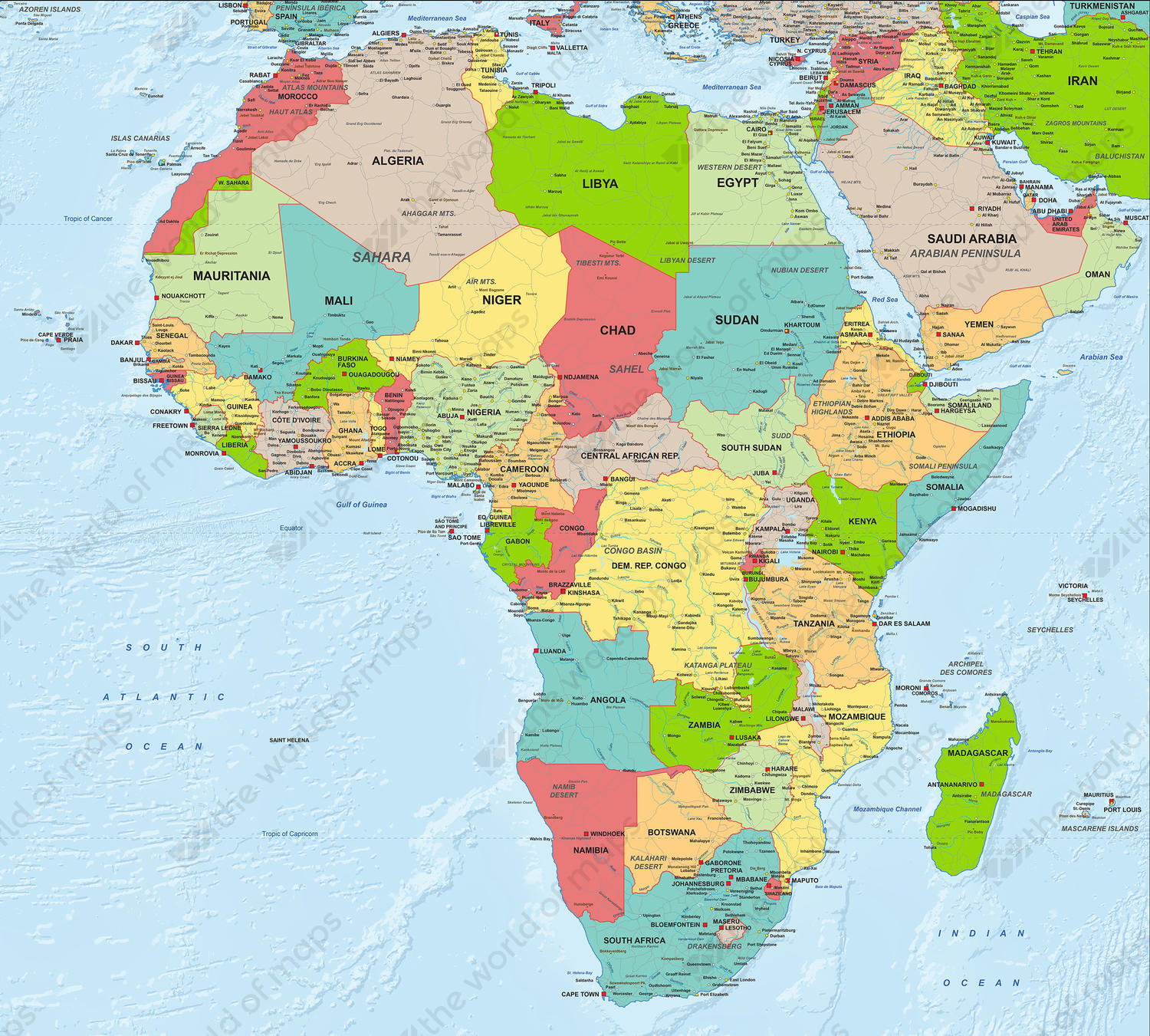
4. The Bight of Benin is part of the Gulf of Guinea on the west coast of Africa, near the modern country of Benin. Follow this link: Bight of Benin. Enlarge the map and find the location labeled there. a) Did you find it? b) What direction do they have to go to reach the island of Sao Tome?
5. Explain how flags protect the Moonlight.
6. Who is the greatest threat to the slave trade? (Slavery was still legal in the US, but not the slave trade.)
7. Why do they make the slaves dance?
8. What is a cabociero?
9. Give one reason that may explain why Purvis gets so upset when Jessie shows sympathy for the enslaved Africans.
10. What violent episode takes place on p. 56?
11. What are the buckets in the hold for?
12. What shocks Jessie so much on p. 59?
American Literature
"Bells for John Whiteside's Daughter." Read "About the Author" and "About the Selection" on p. 575. Read the poem aloud or listen to it here. Suppose that you agreed to prepare a short video commentary on this poem. Prepare a script for this video commentary. Begin by noting some of the important features of the poem as a whole. Then do a stanza-by-stanza commentary of the kind you often have heard in this class. When completed, the script should take about 6 to 10 minutes to read aloud.
If you wish, you may collaborate with one other student in this class. If you wish to submit a recording of the script along with the script, you may do that. If you wish to make a video (Sarah?), you may do that too. Let me know if you will need extra time for that. Due Friday, May 22.
British Literature
Finish the book by Friday. You know what to do.
C.S. Lewis
Finish the book for Wednesday. You know what to do.
Luke and Acts
Acts 24 is a record of Paul's trial before the Roman governor, Felix. In a paragraph of no fewer than 100 words, retell Luke's account in your own words. Due Friday, May 22. Do not send it until tomorrow.
Poets and Prophets
Read Isaiah 60 and briefly comment on the following units with a focus on how they may foreshadow Christ during his earthly ministry, or during his heavenly session (Happy Ascension Day again!), or at his return, or in any combination of the above. Unit 1 (1-3); unit 2 (4-7); unit 3 (8-9); unit 4 (10-12); unit 5 (13-14); unit 6 (15-16); unit 7 (17-18); unit 8 (19-20); unit 9 (21-22). Due Friday, May 22. Do not send until tomorrow.
Introduction to French
Read ch. 4 and respond for tomorrow.
Intermediate French
Do Revision 4 for tomorrow.
Literature 7-8
The Slave Dancer ch. 4: "The Bight of Benin." Read this before answering the questions below.
In some earlier responses, some of you referred to this novel as a "Christian book." It may be, but I never said that. The book does deal frankly with the matter of human sin, especially the sin of abusing our neighbor, but I would stop short of calling it a Christian book. Here's why: You will have noticed by now that Jessie sometimes makes references to his pastor, the parson. When he does so, it is almost always insulting. Add to that the fact that the most outwardly "Christian" character in the book is Ben Stout, who, beneath his innocent exterior, is sadistic and vengeful. He is a hypocrite, like the Pharisees that Jesus often argued with. On the other hand, there are no positive characters who identify as Christians. For these reasons, I would not call this book a Christian book, though I strongly believe it has value for Christians.
After weeks on board the Moonlight, which is sailing eastward toward Africa to buy African prisoners as slaves. As Jessie learns, we learn with him. We are getting to know the characters better. We are learning about his responsibilities on the ship. We are finding out about the slave trade itself. As the enslaved prisoners are brought aboard the ship, slavery begins to take on a human face for us, as it does for Jessie. Even in New Orleans, he saw slavery only from a distance; now slavery and slaves are becoming much more real.
Respond in complete sentences. Due Friday, May 22. Do not send until tomorrow.
1. According to the first full paragraph above, why is it not accurate to refer to this as a Christian novel?
2. What benefit does it still have for Christians?
3. What is the main idea of the second full paragraph above? Answer in one complete sentence.
4. The Bight of Benin is part of the Gulf of Guinea on the west coast of Africa, near the modern country of Benin. Follow this link: Bight of Benin. Enlarge the map and find the location labeled there. a) Did you find it? b) What direction do they have to go to reach the island of Sao Tome?
5. Explain how flags protect the Moonlight.
6. Who is the greatest threat to the slave trade? (Slavery was still legal in the US, but not the slave trade.)
7. Why do they make the slaves dance?
8. What is a cabociero?
9. Give one reason that may explain why Purvis gets so upset when Jessie shows sympathy for the enslaved Africans.
10. What violent episode takes place on p. 56?
11. What are the buckets in the hold for?
12. What shocks Jessie so much on p. 59?
American Literature
"Bells for John Whiteside's Daughter." Read "About the Author" and "About the Selection" on p. 575. Read the poem aloud or listen to it here. Suppose that you agreed to prepare a short video commentary on this poem. Prepare a script for this video commentary. Begin by noting some of the important features of the poem as a whole. Then do a stanza-by-stanza commentary of the kind you often have heard in this class. When completed, the script should take about 6 to 10 minutes to read aloud.
If you wish, you may collaborate with one other student in this class. If you wish to submit a recording of the script along with the script, you may do that. If you wish to make a video (Sarah?), you may do that too. Let me know if you will need extra time for that. Due Friday, May 22.
British Literature
Finish the book by Friday. You know what to do.
C.S. Lewis
Finish the book for Wednesday. You know what to do.
Luke and Acts
Acts 24 is a record of Paul's trial before the Roman governor, Felix. In a paragraph of no fewer than 100 words, retell Luke's account in your own words. Due Friday, May 22. Do not send it until tomorrow.
Poets and Prophets
Read Isaiah 60 and briefly comment on the following units with a focus on how they may foreshadow Christ during his earthly ministry, or during his heavenly session (Happy Ascension Day again!), or at his return, or in any combination of the above. Unit 1 (1-3); unit 2 (4-7); unit 3 (8-9); unit 4 (10-12); unit 5 (13-14); unit 6 (15-16); unit 7 (17-18); unit 8 (19-20); unit 9 (21-22). Due Friday, May 22. Do not send until tomorrow.
Introduction to French
Read ch. 4 and respond for tomorrow.
Intermediate French
Do Revision 4 for tomorrow.
Wednesday, May 20, 2020
Troll Island Notes 43: Wednesday, May 20, 2020
Literature 7-8
It was nice to see so many of you at the Zoom session. for tomorrow, read "The Shrouds." Respond in complete sentences. 1. Who do they have to watch out for? 2. What are some of the jobs Jessie does on board? 3. How often does Jessie think about home? 4. Why did Purvis hit Jessie? 5. What made Ben Stout lose his smile? 6. What "precious thing" that is "as luminous as a tiny moon" shows up in the men's quarters? 7. Who owns it? 8. How is Purvis punished for stealing it (even though he didn't steal it)? 9. Where did Jessie get a piece of cheese? 10. What did he do with it? 11. Write out a sparkle. Due Thursday, May 21. Do not send anything today.
American Literature
No assignment for those who attended the Zoom session today. For those who did not, please do questions 1-10 on p. 573. Due Thursday, May 21.
British Literature
Zoom session today at 2:00pm. Come prepared with questions and insights.
Finish the book by Friday. Send your responses to each chapter as you finish.
C.S. Lewis
Zoom session today at 2:30pm. Come prepared with questions and insights.
Finish the book by one week from today, Wednesday, May 27. Send your responses as you finish each chapter.
Luke and Acts
Acts 23:12-35. Read and summarize the main events in a paragraph of about 100 words. Due Thursday, May 21. Do not send anything today.
Poets and Prophets
Isaiah 58. 1. Divide the chapter into stanzas of two or three strophes each. 2. Write what verses they include, and state the main idea for each stanza in one sentence. 3. Make at least one biblical connection for each stanza, OT or NT. Use one sentence each. 4. Write one question that the chapter raises in your mind. Due Thursday, May 21.
Introduction to French
Read and respond to ch. 3 as you did to ch. 2. Due Thursday, May 21.
Intermediate French
Ch. 22 for tomorrow.
Advanced French
Vous avez le reste de vos devoirs pour l'annee.
Subscribe to:
Posts (Atom)